
Signs Your Air Source Heat Pump Needs Repair
Your Home Is Not Heating Properly
If your home feels colder than usual or your radiators are not providing enough heat, your heat pump may not be operating correctly.
Possible causes include incorrect thermostat settings, restricted water circulation or a fault with the system. Check your heating schedule and thermostat first. If the problem continues, a qualified engineer can investigate the cause.
Your Electricity Bills Have Increased
A sudden rise in electricity consumption could indicate that your heat pump is working harder than necessary.
Incorrect settings, reduced system efficiency or problems with supplementary electric heating may contribute to higher running costs. However, colder weather, energy tariffs and changes in household usage can also affect your bills.
If your energy consumption increases unexpectedly without an obvious explanation, a
professional assessment may help identify the problem.
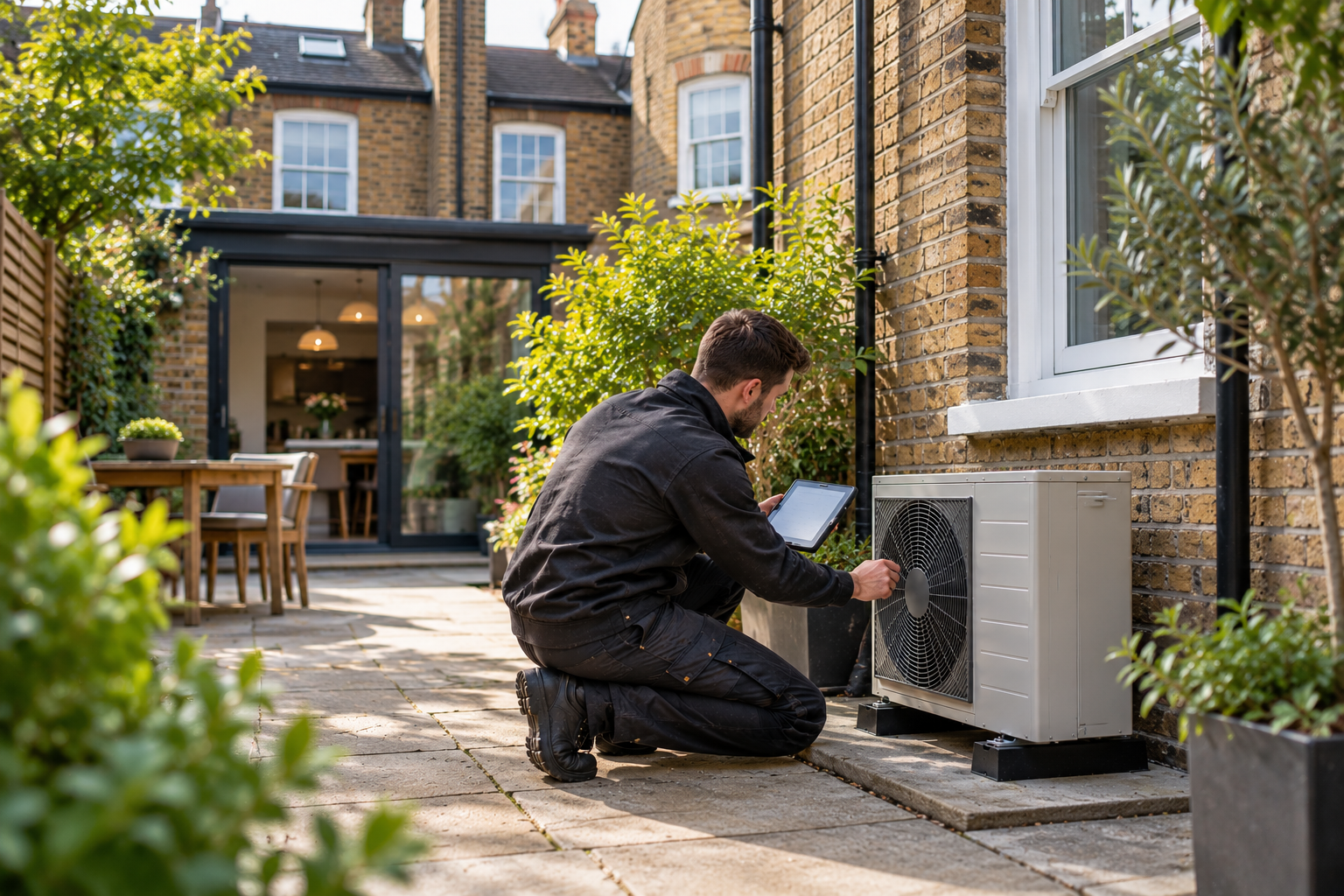
Your Heat Pump Is Making Unusual Noises
Some noise is normal when an air source heat pump operates. The fan and compressor produce sounds during regular operation.
However, new or unusually loud grinding, rattling, buzzing or banging noises could indicate loose components, fan problems or another mechanical fault. Do not attempt to dismantle the unit yourself. Arrange an inspection if unusual noises persist or become more noticeable.
Ice Is Building Up on the Outdoor Unit
A light layer of frost can form on an air source heat pump during cold weather. Most systems have an automatic defrost cycle to remove this frost. Persistent, excessive ice that does not clear as expected may indicate a problem with defrosting, restricted airflow or a faulty component.
Keep the area around the outdoor unit clear and follow the manufacturer's guidance. Never chip away ice with tools. If the ice remains or heating performance deteriorates, contact a qualified engineer.
Your Heat Pump Displays an Error Code
Modern heat pumps often display error codes when they detect an operating issue.
Check the manufacturer's manual to understand what the code means. Some alerts may relate to operating conditions, while others indicate faults that require professional attention.
If the warning persists, the system stops working or the same error repeatedly returns, arrange an inspection rather than continually resetting the unit.
You Notice Water Leaks
Water around an outdoor unit can be normal because condensation and defrost cycles produce water that drains away.
However, unexplained leaks, persistent pooling or water escaping from heating-system pipework should be investigated. If you notice a leak, contact a
professional. If water is near electrical components, avoid touching the equipment and seek appropriate assistance.
Your Heat Pump Keeps Switching On and Off
Heat pumps often run for longer periods than conventional boilers, particularly during colder weather. Continuous operation does not automatically mean something is wrong.
However, frequent starting and stopping, especially alongside poor heating or higher energy consumption, may indicate incorrect controls, circulation problems or a system fault. A qualified engineer can assess the system and recommend the appropriate action.
When Should You Arrange a Heat Pump Repair?
If you notice persistent problems, declining heating performance or repeated error messages, professional advice can help prevent further disruption.
You can safely check your thermostat, heating schedule and the area around the outdoor unit. However, avoid opening the equipment or attempting electrical or refrigerant repairs yourself.