
Choosing a Heat Pump Installer: Why MCS Certification Matters
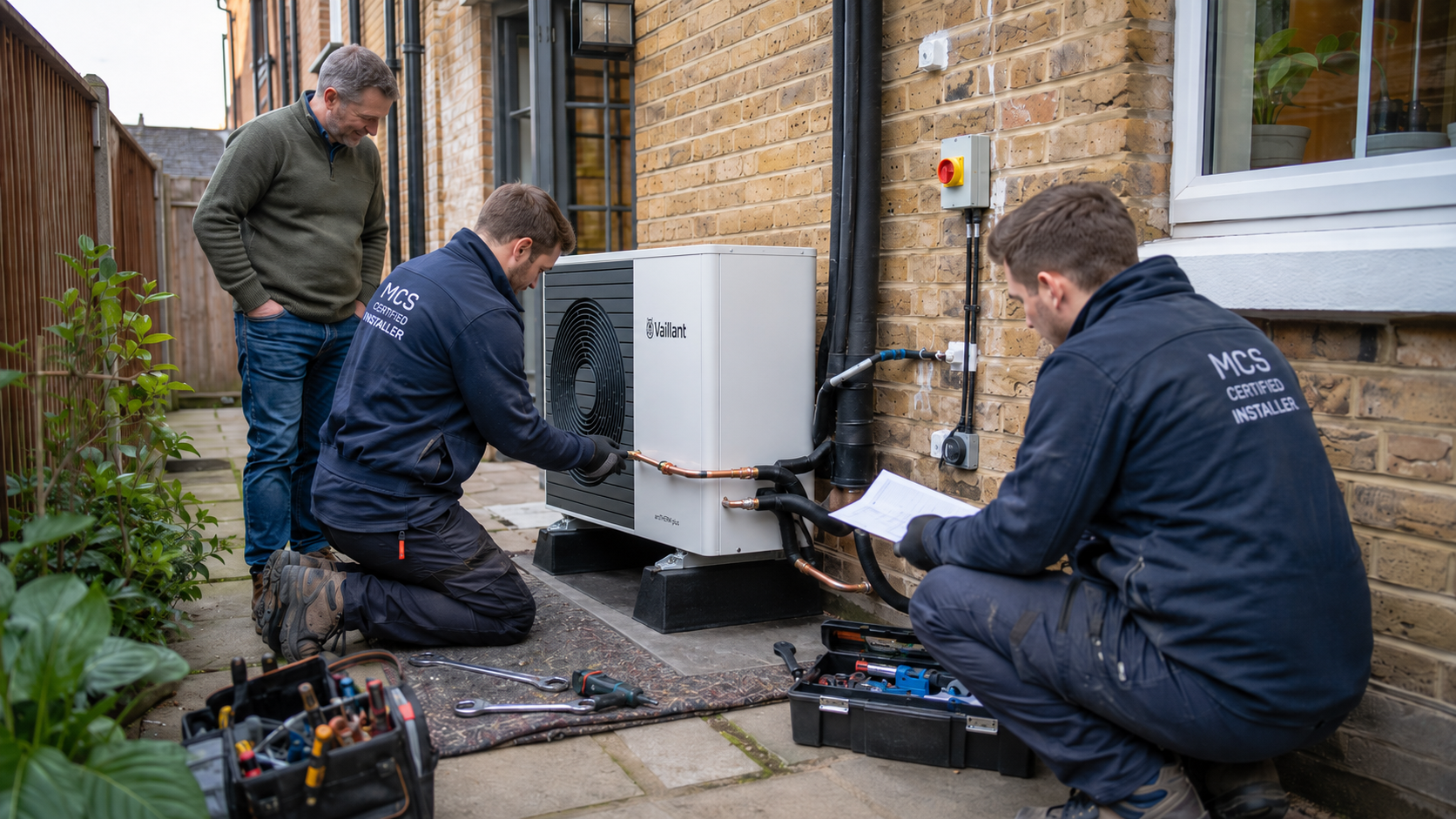
Air source heat pumps are becoming more popular across the UK as homeowners look for more efficient and lower-carbon ways to heat their homes. They can be a great long-term investment, but only when they are designed and installed correctly. Choosing the right system is important, but choosing the right installer is just as essential.
A heat pump that is poorly sized, badly designed, or incorrectly installed may not perform as expected. It could lead to higher running costs, uneven heating, unnecessary noise, or comfort issues during colder months. That is why working with an MCS-certified heat pump installer can make a big difference.
What Does MCS Certification Mean?
MCS stands for Microgeneration Certification Scheme. It is a recognised quality mark for renewable technologies and installers in the UK, including air source heat pumps. For homeowners, it shows that an installer is expected to work to specific standards for design, installation, commissioning, and customer care.
Choosing an MCS-certified installer gives you extra reassurance that the work is being carried out properly. It also means the installer should follow recognised processes when assessing your home, recommending the right system, and completing the installation. This matters because heat pumps are not simply fitted in the same way as traditional gas or oil boilers. They need careful planning to make sure they suit the property and the household’s heating needs.
Why MCS Certification Matters for Heat Pumps
Air source heat pumps work differently from conventional boilers. Instead of producing short bursts of high-temperature heat, they usually work best by providing steady, efficient heating over longer periods. Because of this, the whole system needs to be designed correctly.
An installer should assess the property, calculate heat loss, recommend the right heat pump size, and check whether the existing heating setup is suitable. This may include looking at insulation, radiator sizes, pipework, hot water requirements, and where the outdoor unit can be placed.
If these details are not properly checked, the system may not run as efficiently as it should. A heat pump that is too small may struggle to heat the home, while one that is too large may cycle on and off too often, affecting efficiency and performance. An MCS-certified installer is expected to follow recognised design and installation standards, helping to reduce the risk of these issues.
It Can Affect Your Boiler Upgrade Scheme Eligibility
One of the most important reasons to choose an MCS-certified installer is grant eligibility. Homeowners who want to apply for the Boiler Upgrade Scheme usually need the installation to be carried out by an installer certified for the relevant technology.
This is important because the grant process is normally handled through the installer. If the installer is not properly certified, you may not be able to access the available funding. Choosing an MCS-certified heat pump installer from the beginning can help make the process clearer and avoid delays later. A good installer should also be able to explain what support may be available, what the eligibility requirements are, and what steps are involved in the application process.
You Should Receive an MCS Certificate After Installation
After your heat pump has been installed by an MCS-certified installer, you should receive an MCS certificate. This certificate confirms that the installation has been registered under the relevant scheme and includes important details about the system. This documentation can be useful for grant claims, warranties, future servicing, or if you sell the property later. It also gives you a formal record that the installation has been completed under recognised standards.
It Can Affect Your Boiler Upgrade Scheme Eligibility
One of the most important reasons to choose an MCS-certified installer is grant eligibility. Homeowners who want to apply for the Boiler Upgrade Scheme usually need the installation to be carried out by an installer certified for the relevant technology.
This is important because the grant process is normally handled through the installer. If the installer is not properly certified, you may not be able to access the available funding. Choosing an MCS-certified heat pump installer from the beginning can help make the process clearer and avoid delays later. A good installer should also be able to explain what support may be available, what the eligibility requirements are, and what steps are involved in the application process.
It Helps Protect Your Investment
An air source heat pump is a long-term investment, so it is worth making sure it is installed correctly from the start. A cheaper quote may seem appealing, but price should not be the only factor when choosing an installer. Poor design or rushed installation can lead to problems that cost more to fix later. This could include inefficient performance, rooms not heating properly, incorrect controls, or the need for additional upgrades after the system has already been fitted. A qualified installer should take the time to understand your home, explain your options clearly, and recommend a system that suits your needs.
Choosing an MCS-certified installer gives homeowners more confidence that their air source heat pump has been properly designed, installed, and registered. It can also help with grant access, documentation, long-term performance, and overall peace of mind. While the heat pump itself is important, the quality of the installation plays a major role in how well the system performs. Taking the time to choose the right installer can help you get the best results from your investment.
Ready to take the next step towards a more efficient heating system?
Wimbledon Heat Pumps can assess your home, explain the best options available, and support you through every stage of your
heat pump installation.